


Views: 0 Author: Site Editor Publish Time: 2026-10-05 Origin: Site


Ever walked a site and found a snapped, sun-baked zip tie dangling uselessly from a critical conduit? It is a frustrating scenario. Engineers and project managers see this preventable failure far too often. Standard plastics work exceptionally well for indoor, light-duty wire management. However, they harbor fatal flaws when exposed to extreme elements.
Plastic inevitably fails under relentless heat, freezing temperatures, and harsh ultraviolet light. To mitigate this costly failure risk, industrial facilities are increasingly turning to metal fasteners. In this comprehensive breakdown, you will discover exactly why metal alloys outperform their plastic counterparts. You will also learn how to select the precise fastening solution for your environment and when it is absolutely necessary to upgrade your cable management system.
Unmatched Durability: Metal fasteners deliver significantly higher tensile strength and a dramatically longer operational lifespan than standard plastic alternatives.
Extreme Resistance: High-grade alloys refuse to degrade under continuous UV exposure, extreme thermal fluctuations, or corrosive industrial chemicals.
Safety and Compliance: Being completely non-flammable, metal components are critical for meeting stringent fire safety regulations in construction and manufacturing facilities.
Comprehensive Systems: For maximum security in high-load scenarios, metal ties reach their full potential when paired with heavy-duty mounting hardware.
Long-Term ROI: Despite a higher initial procurement cost, metallic systems prevent catastrophic equipment failures, slash maintenance downtime, and eliminate endless replacement cycles.
To fully grasp why fastening systems fail in demanding conditions, we must first examine the fundamental material properties and mechanical designs of the products deployed in the field.
Walk into any climate-controlled server room or commercial warehouse. You will undoubtedly find a standard Nylon Cable Tie holding bundles of ethernet wires together. Typically manufactured from synthetic polymers like Polyamide, these fasteners are lightweight, highly flexible, and incredibly cost-effective to mass-produce. They utilize a straightforward ratchet-and-pawl mechanism. As the strap is pulled through the head, a small plastic tooth engages with serrations on the strap to lock it firmly into place.
These plastic fasteners remain the industry standard for indoor environments. They are perfectly suited for light-duty wire bundling and temporary fixes where environmental mechanical stress is virtually nonexistent.
Conversely, metal ties are engineered for permanence. Forged from high-grade metal alloys, most commonly 304 or 316-grade stainless steel, these fasteners abandon vulnerable plastic teeth. Plastic teeth easily strip or snap under pressure. Instead, premium metal ties typically employ a specialized ball-lock mechanism. Tucked inside the head of the tie sits a microscopic stainless steel ball bearing. As the strap is tensioned, this ball wedges tightly into the housing. This creates an infinitely adjustable, slip-proof lock that refuses to yield.
Other heavy-duty variations feature ladder-style mechanisms designed for multi-point locking. When these robust structural designs are combined with the inherent sheer strength of the metal, the result is a fastening solution built to outlast the equipment it secures.
Standard plastics are remarkably susceptible to environmental degradation. When procurement teams specify nylon for outdoor or heavy industrial use, they frequently underestimate the rapid rate at which these polymers break down at a molecular level.
Recent market analyses and global infrastructure reports highlight a massive shift in procurement strategies across the construction and energy sectors. Driven by the rising frequency of extreme weather events and stricter safety compliance mandates, facility managers are increasingly abandoning traditional polymers. The industry is seeing a definitive trend toward resilient metal alloys that guarantee uninterrupted service and lower lifecycle costs.
Prolonged exposure to direct sunlight destroys standard nylon. Ultraviolet energy triggers photo-oxidation, actively breaking the polymer chains apart. Over a surprisingly short period, the plastic leaches its plasticizers and becomes highly brittle. Once this occurs, even a slight vibration from a passing truck or a minor shift in the bundled cables can cause a sun-baked tie to snap cleanly in half.
Temperature extremes push synthetic polymers far beyond their operational limits. In sub-zero conditions, ambient moisture trapped within the nylon matrix freezes and expands. This causes the material to shatter under the slightest load. On the opposite end of the spectrum, extreme heat softens the plastic. As ambient temperatures creep toward 185 degrees Fahrenheit, the internal ratchet mechanism loses its structural rigidity. The tie will slowly stretch and eventually release its grip on the cables.
Industrial landscapes are rarely sterile. Standard nylon degrades rapidly when subjected to hydrocarbons, heavy industrial greases, battery acids, and concentrated cleaning agents. Furthermore, relentless exposure to airborne salt spray in marine or offshore environments accelerates the breakdown of plastics. This drastically compromises the safety of the entire cable management infrastructure.
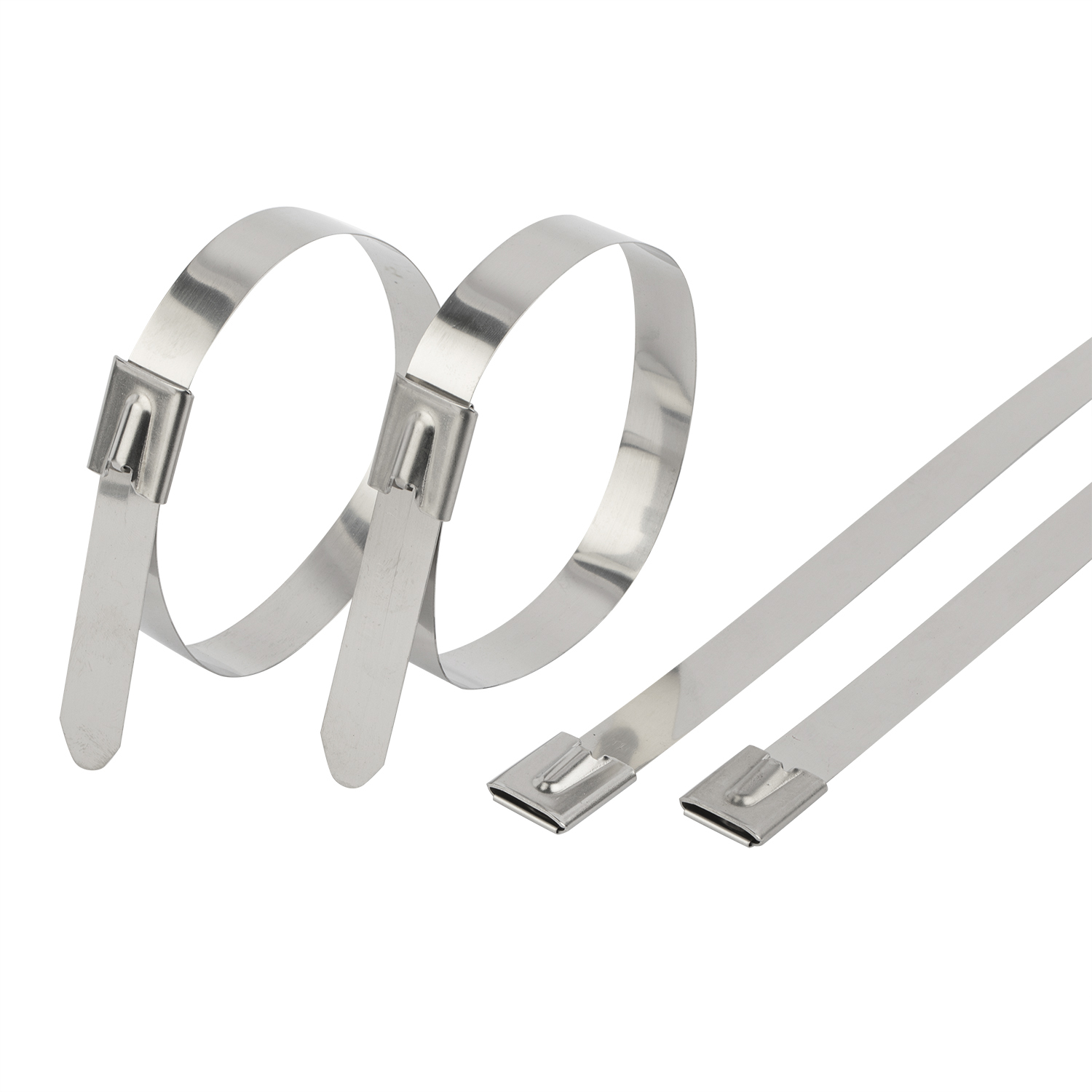
When engineering specifications demand absolute reliability, metal emerges as the only logical choice. Let us look objectively at the specific performance metrics where metal ties leave plastic alternatives far behind.
Performance Metric | Standard Nylon Tie | Stainless Steel Tie |
|---|---|---|
Tensile Strength | 50 to 175 lbs | 200 to 500+ lbs |
Temperature Range | -40°F to 185°F | -112°F to 1000°F |
UV Resistance | Poor to Moderate | Exceptional |
Flammability | Melts rapidly, emits toxic smoke | Completely non-flammable |
Expected Lifespan (Outdoor) | 1 to 3 years | 20+ years |
Tensile strength dictates the maximum weight or outward pressure a fastener can endure before structural failure occurs. A heavy-duty plastic tie might offer a loop tensile strength of 175 pounds. While adequate for lightweight wiring, it falls dangerously short for heavy industrial applications. Standard metal ties easily deliver a tensile strength ranging from 200 pounds to well over 500 pounds. This immense load capacity allows technicians to secure heavy armored cables, rigid piping, and massive conduit bundles without the lingering fear of an unexpected blowout.
Thermal stability stands as a primary differentiator. Specialty heat-stabilized plastics can technically survive moderate heat, but they will still melt instantly in a fire scenario. Stainless steel maintains its mechanical integrity across a staggering temperature spectrum. High-quality metal ties are typically rated from sub-zero conditions all the way up to 1000 degrees Fahrenheit. This extreme thermal endurance makes metal ties mandatory for aerospace applications, automotive exhaust routing, and high-temperature smelting plants.
It is a common misconception that all metals survive outdoors. Specific stainless steel grades are chemically engineered to resist aggressive oxidation. Grade 316 stainless steel contains molybdenum. This element drastically enhances resistance to localized pitting and chloride corrosion. This chemical makeup provides the ultimate fastening solution for offshore oil drilling, marine shipyards, and chemical washdown zones where lesser materials would rapidly rust and disintegrate.
Certain industries operate under conditions so severe that specifying plastic is considered an engineering flaw. In these volatile environments, structural integrity must remain uncompromised.
The marine and offshore energy sectors present extremely unforgiving operational conditions. Saltwater, continuous high-velocity winds, and constant exposure to abrasive elements rapidly accelerate the degradation of standard infrastructure. Chloride-induced stress corrosion cracking is a constant threat. Marine-grade metal fastening solutions directly combat this issue. For offshore oil rigs where safety standards are heavily monitored, securing bundled power cables with Grade 316 stainless steel ensures they survive violent coastal storms.
Solar farms and outdoor telecommunication towers are designed with operational lifespans spanning decades. Standard plastic ties will eventually succumb to photo-oxidation, even those treated with expensive UV inhibitors. Once brittle, the natural thermal expansion and contraction of the cables will cause the plastic to snap. Metal fasteners are completely immune to UV degradation. When securing heavy coaxial cables to telecom towers or bundling photovoltaic wires on solar arrays, they provide a true fit-and-forget solution.
Contamination is a catastrophic risk within the food processing and pharmaceutical manufacturing sectors. Facilities must adhere to rigorous regulations and undergo daily, high-temperature chemical washdowns to maintain strict sanitation. Standard plastics degrade under these harsh cleaning agents. They pose a severe foreign-body contamination risk if a broken fragment falls into the production line. Stainless steel withstands caustic chemicals and high-pressure steam without rusting. More importantly, it is inherently metal-detectable. Standard facility metal detectors would instantly flag a severed tie dropped into a processing vat, preventing massive product recalls.
Standard metal zip ties handle the vast majority of heavy-duty bundling tasks. However, certain industrial applications require scaled-up, complementary solutions. Integrating specialized hardware ensures that your cable management system can safely distribute exceptional loads and survive specific mechanical stresses.
Standard ties have fixed lengths and specific width limitations. When a project involves securing objects to extra-large diameter utility poles, bundling massive industrial piping, or mounting heavy municipal signage, a continuous Stainless Steel Band becomes necessary. Supplied in long rolls, this strapping allows technicians to cut the exact length required for custom applications on-site. When paired with heavy-duty buckles and a specialized tensioning tool, banding provides extreme clamping force. It offers a wider surface area to distribute heavy weight without cutting into the secured materials.
In high-voltage electrical installations, standard bundling techniques are simply not enough. During a short-circuit fault event, violent electromechanical forces can cause heavy cables to whip or jump unpredictably. This movement can destroy surrounding infrastructure and create severe safety hazards for nearby personnel. To safely manage these extreme fault currents, engineers must utilize a heavy-duty Cable Cleat. These specialized metallic fixtures are rigorously tested to physically restrain cables and withstand immense short-circuit forces. They work perfectly in tandem with metal ties to deliver an ultimate, fail-safe electrical routing system.
Selecting the correct metal fastener requires a practical understanding of metallurgy, protective coating technologies, and proper installation techniques. Guessing on the wrong grade or installing the tie incorrectly can silently compromise the integrity of your entire build.
The baseline performance of a metal tie is dictated entirely by its steel grade. Grade 304 is the trusted standard for general outdoor construction, automotive applications, and inland industrial plants. It offers excellent baseline strength and good general oxidation resistance. Grade 316 is the true marine grade. Thanks to the addition of molybdenum, it aggressively resists chlorides and industrial solvents. If your project is located near the ocean, involves winter de-icing salts, or sits inside a chemical processing plant, Grade 316 is absolutely non-negotiable.
Bare metal ties are exceptionally strong, but they present two distinct challenges in the field. They can chafe soft cable jackets over time. They can also trigger galvanic corrosion if wrapped tightly around dissimilar metals like galvanized steel or aluminum cable trays. To solve this, manufacturers offer fully coated options. A layer of PVC, polyester, or epoxy provides a durable protective barrier. This coating softens the rigid edges to protect delicate cables. It adds a layer of electrical insulation and completely neutralizes the risk of galvanic corrosion between the tie and the mounting surface.
Flexible plastic ties can often be pulled tight by hand and snipped with standard office scissors. Metal ties require professional installation tools. A dedicated metal tie tensioning gun grips the tail of the fastener. It ratchets it to the precise mechanical tension required and cleanly shears off the excess metal completely flush with the head. Attempting to cut metal ties with standard wire snips leaves a razor-sharp, jagged edge. This poses a severe laceration hazard to technicians during future routine maintenance.
The standard nylon cable tie will always have a place in basic indoor organization. Extreme environments, however, demand a significantly stronger and more reliable approach. Stainless steel cable ties effortlessly resist blistering heat, degrading UV rays, and aggressive chemical corrosion where plastics simply melt, snap, or shatter.
Choosing the right fastener is rarely just about keeping cables neat. It is fundamentally about ensuring site safety, maintaining regulatory compliance, and securing long-term reliability for your most critical projects. Take the time to assess your project's environmental stressors today. Investing in durable metal ties, bands, and cleats now will save countless hours of maintenance and prevent disastrous equipment failures in the future. To explore industry-tested fastening solutions tailored for harsh environments, visit Supercleat to find the precise specifications your next project demands.
While it is technically possible to force a cut through very thin metal ties using heavy-duty wire cutters, it is highly discouraged in any professional setting. Standard cutters leave a jagged, razor-sharp metal tail protruding from the locking head. This creates a serious safety hazard that can easily slice through a technician's leather glove or gouge adjacent cable jackets. It is always recommended to use a dedicated tensioning and cutting tool designed specifically for metal ties to ensure a clean, perfectly flush cut.
Most standard metal ties utilize an internal ball-lock mechanism. Once the steel ball wedges tightly into place to secure the strap, it creates a permanent, single-use installation. Attempting to pry the lock open with a tool usually destroys the internal mechanism. If your specific project requires temporary heavy-duty bundling or frequent maintenance access, there are specialized releasable metal ties available on the market that utilize a different, reusable buckle design.
Bare metal ties naturally possess rigid edges. If they are installed too tightly onto soft-jacketed cables, or if the bundle is subjected to heavy, continuous industrial vibration, the bare metal can eventually chafe or slice into the insulation. To easily prevent this, you should specify polyester or epoxy-coated metal ties. These provide a smooth, protective cushion. Alternatively, utilizing a protective rubber sleeve or mounting the run with a dedicated cable cleat will secure the wires safely without risking any jacket damage.
The primary difference between the two grades lies in their precise chemical composition. Grade 316 stainless steel contains a small but critical percentage of molybdenum, an element that Grade 304 lacks. This specific addition drastically increases the metal's natural resistance to chloride-induced corrosion and localized pitting. While 304 is perfectly fine for standard outdoor weather and rain, 316 is the mandatory, fail-safe choice for environments exposed to salt water, coastal sea spray, winter de-icing salts, and harsh industrial chemicals.
Yes, stainless steel cable ties are completely immune to ultraviolet radiation. Unlike nylon and other synthetic plastics that suffer from photo-oxidation and become brittle after prolonged exposure to sunlight, metal alloys do not degrade under UV light. This makes them the ultimate fit-and-forget solution for outdoor solar arrays, telecommunication towers, and rooftop conduit routing.
To achieve proper tension without damaging the cables, technicians use a specialized stainless steel tie tensioning tool. You thread the tail of the tie through the locking head and pull it snug by hand. Then, you insert the tail into the tool. Squeezing the handle ratchets the tie to the desired tension. Once the optimal tension is reached, a built-in cutter cleanly shears the excess tail flush with the head, leaving no sharp edges behind.


