


Views: 0 Author: Site Editor Publish Time: 2026-10-14 Origin: Site


Selecting the wrong insulating material is a hidden killer in electrical systems. I have seen complex wiring jobs short-circuit months later simply because the tape degraded under thermal stress. Poor insulation leads to moisture ingress. Moisture leads to arcing. Arcing inevitably leads to catastrophic fires.
For seasoned electricians and procurement managers alike, choosing between traditional vinyl options and specialized rubber compounds often causes confusion on the job site. Each material boasts unique chemical properties engineered for distinct operational environments. In this technical guide, we will break down the exact material differences, application techniques, and specific use cases for both tapes. By the end of this breakdown, you will know exactly how to execute safe, code-compliant, and permanent electrical connections.
Vinyl Insulation: Relies on a pressure-sensitive rubber adhesive backing. It is the optimal choice for phase color-coding, general wire harnessing, and mechanical protection of low-voltage circuits up to 600V.
Rubber Fusing: Contains absolutely no adhesive. It works through vulcanization, stretching and chemically fusing to itself to create a seamless, watertight, and highly insulated rubber seal.
The Combo Method: For professional outdoor or underground cable jointing, industry standards dictate a two-layer approach. Utilize self-fusing rubber for the waterproof inner dielectric seal, followed by a protective outer wrap of premium vinyl.
Avoid Household Tapes: Never substitute proper electrical insulation with masking tape or duct tape. They lack the necessary dielectric voltage ratings, thermal stability, and flame-retardant properties to prevent electrical fires.
Before diving into field applications, we need to look at the raw material science behind different insulating tapes. Both serve the fundamental purpose of isolating electrical currents from their surrounding environment. However, their physical properties and chemical formulations dictate entirely different use cases.
Polyvinyl Chloride, commonly known as PVC, is the universally recognized standard in the electrical industry. Structurally, it consists of a flexible, plasticized vinyl backing coated with a specialized, rubber-based pressure-sensitive adhesive.
The primary properties of this material include excellent elasticity, resistance to physical abrasion, and the ability to insulate standard low-voltage applications safely. The vinyl formulation allows the tape to stretch and conform securely to irregular surfaces like wire splices and split-bolt connectors. Meanwhile, the adhesive ensures immediate tack and grip upon application, allowing for rapid workflow inside cramped junction boxes.
Keep in mind that not all vinyl tapes are manufactured to the same rigorous standards. Selecting a professional-grade PVC Insulation Tape is critical for ensuring long-term safety and code compliance. High-quality variants are independently tested to meet specific industry benchmarks, offering verified flame retardance, resistance to chemical corrosion, and reliable cold-weather performance. Cheaper alternatives often use unstable plasticizers that evaporate over time. This leaves the tape brittle, cracked, and prone to unspooling.
Self-amalgamating tape is a highly specialized insulating material typically manufactured from Ethylene Propylene Rubber or high-grade silicone. The most significant differentiator between this product and standard vinyl tape is its complete lack of a sticky adhesive layer.
Instead of relying on glue to stick to surfaces, this tape utilizes a chemical process known as amalgamation. When the tape is stretched significantly and wrapped tightly over itself, the polymeric chains in the rubber layers interact at a molecular level. Within a short period, usually 24 hours, the individual layers disappear entirely. They form a single, solid, homogenous mass of rubber around the application site.
This unique fusing mechanism grants the material superior moisture resistance, exceptional high-voltage insulation capabilities, and extreme temperature tolerance. It is the definitive choice for creating hermetic, void-free seals in demanding environments where traditional adhesives would quickly fail.
While both tapes are absolute staples in any professional toolkit, their application mechanics and long-term maintenance requirements differ drastically. Understanding these core differences ensures compliance with safety protocols and extends the lifespan of the electrical joint.
Feature | PVC Electrical Tape | Self-Amalgamating Tape |
|---|---|---|
Application Method | Pressure-sensitive adhesive; peel and stick. | Stretching and half-lapping; chemically fuses to itself. |
Voltage Rating | Low voltage, typically up to 600V. | Medium to high voltage, often rated up to 69kV. |
Waterproofing | Water-resistant, but adhesives can degrade over time. | 100% watertight; forms a seamless rubber jacket. |
Removal | Unrolls, but often leaves a sticky chemical residue. | Must be cut away with a knife; leaves no residue. |
The application methods of these two tapes require different handling techniques on the job site. Vinyl tape offers a straightforward application. The adhesive bonds immediately to the wire jacket, exposed copper, or its own backing. It requires minimal preparation and can be applied quickly with one hand.
Conversely, self-fusing rubber tape requires a methodical technique. Because it lacks adhesive, it comes with a disposable interliner to prevent the roll from fusing to itself in the packaging. A technician must peel back the liner, stretch the tape to approximately two-thirds of its original width, and wrap it with a strict 50 percent overlap. The tension generated from stretching activates the chemical fusing process. If you fail to stretch it adequately, the tape will not amalgamate, rendering the waterproof seal completely ineffective.
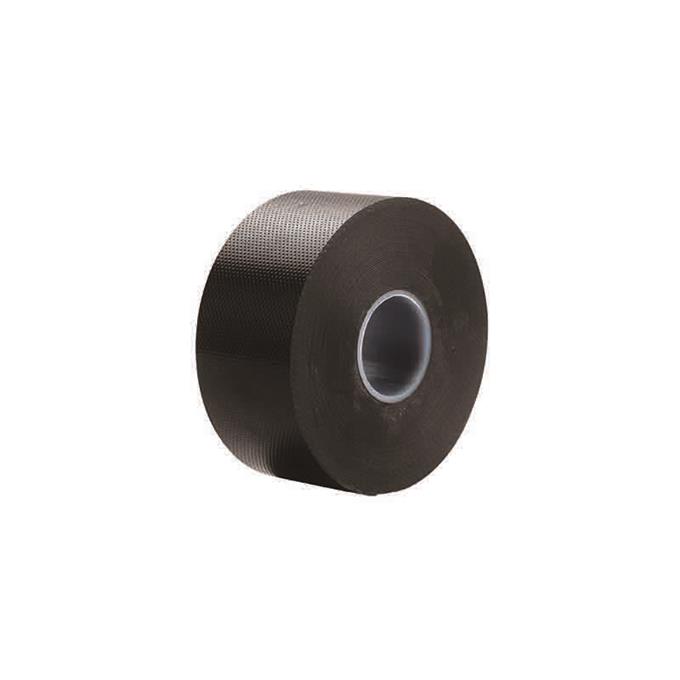
Cable jointing demands rigorous insulation standards. Connecting two or more cables to ensure continuous electrical flow leaves zero room for error. The choice between vinyl and amalgamating tape depends entirely on the voltage load and the physical location of the splice.
For standard residential wiring, commercial lighting circuits, and low-voltage systems rated under 600V, premium vinyl tape is perfectly adequate. Its dielectric strength is more than sufficient to prevent short circuits, isolate bare conductors, and protect users from electrical shock in dry, indoor environments.
Medium to high-voltage cable splicing strictly requires rubber-based amalgamating tape. High-voltage currents generate significant electrical stress and thermal loads, which easily break down standard vinyl adhesives. Furthermore, high-voltage splices are highly susceptible to corona discharge and moisture tracking. The seamless, void-free rubber insulation provided by Self-Amalgamating Tape prevents microscopic air pockets where electrical arcing could occur. This ensures the absolute integrity of the high-voltage transmission.
Relying on a single type of tape is often insufficient for outdoor, direct-burial, or underground cable jointing. Industry best practices and municipal electrical codes frequently dictate a two-layer combo approach to maximize both dielectric strength and physical durability.
First, wrap the bare wire joint with self-fusing rubber tape. This inner layer provides the necessary high-voltage insulation and creates an impenetrable, watertight seal against groundwater and soil moisture. Next, overwrap the rubber mass with high-quality vinyl tape. While amalgamating tape is waterproof, its softer rubber surface is susceptible to physical abrasion and rock puncture in trenches. The outer vinyl jacket defends the delicate inner joint against friction and environmental damage.
While rubber tapes dominate heavy-duty and waterproof sealing applications, vinyl tape remains an indispensable everyday workhorse. It excels in electrical organization, identification, and mechanical protection.
Identifying the function and phase of individual wires is a strict regulatory requirement in complex commercial electrical panels. Vinyl tape is manufactured in a wide spectrum of standardized colors, including black, red, blue, yellow, white, and green stripes.
Electricians use these specific colors for phase coding. Under standard electrical codes, black, red, and blue indicate energized hot phases, white indicates a neutral line, and green indicates grounding. The strong initial tack of vinyl tape allows technicians to quickly wrap the ends of cables, ensuring immediate visual identification. Self-fusing tape is rarely used for this purpose due to its limited color availability and time-consuming application process.
Wire harnessing involves bundling multiple individual cables into a single, organized unit. This prevents wire tangling, reduces the spatial footprint inside control panels, and protects delicate inner cables from friction against sharp metal edges.
Vinyl is the undisputed go-to choice for harnessing. Its tough, plasticized backing offers excellent resistance against physical abrasion. Its flexibility allows it to wrap tightly around complex, multi-cable bundles. The pressure-sensitive adhesive ensures the harness remains structurally intact even when subjected to constant vibration in industrial machinery.
The demands placed on electrical insulation materials are shifting rapidly. This shift is driven by broader global trends in energy and infrastructure modernization. As we transition toward renewable energy sources, the environments in which cables are spliced are becoming increasingly hostile.
Consider the massive rollout of Electric Vehicle charging stations and large-scale solar panel arrays. These installations require miles of outdoor, high-voltage cabling exposed to relentless UV radiation, freezing rain, and extreme thermal cycling. Standard indoor-rated tapes are failing under these harsh conditions, leading to increased maintenance costs and system downtime.
Consequently, procurement managers and electrical contractors are moving away from basic commodity tapes. There is a noticeable industry trend toward adopting high-performance, weather-resistant elastomers and self-fusing silicone tapes. These advanced materials guarantee decades of maintenance-free performance in outdoor environments. This evolution underscores the importance of matching the chemical properties of your tape to the specific demands of modern, high-load electrical infrastructure.
When dealing with live electrical currents, the margin for error is non-existent. A significant portion of electrical failures and localized short circuits stem from inappropriate material selection during installation. Professional-grade insulating materials are engineered to withstand specific thermal and electrical stresses. Household adhesive tapes lack these critical properties entirely.
The short answer is absolutely not. Masking tape is designed primarily for painting preparation. Using it for any form of wire insulation is a severe violation of electrical codes and presents an immediate, life-threatening safety hazard.
Masking tape is constructed from a thin layer of crepe paper backed by a low-tack adhesive. Paper is inherently hygroscopic, meaning it absorbs moisture from the air. In environments with even mild humidity, the paper backing draws in water, creating a direct conductive path for electrical current. Furthermore, masking tape possesses zero dielectric strength. If a connection point overheats, the paper backing will ignite almost instantly, acting as kindling rather than containing the hazard.
A common misconception is that duct tape can serve as a substitute for electrical insulation due to its famous physical durability. This is a dangerous assumption.
Duct tape consists of a polyethylene resin top coating, a fabric mesh, and a thick layer of rubber-based adhesive. It is not tested or rated for electrical resistance. The cloth mesh within the tape traps moisture and airborne contaminants, significantly lowering its overall electrical resistance. Under standard household voltages, the material can experience dielectric breakdown, allowing current to pass straight through the tape.
Additionally, duct tape suffers from severe thermal degradation. Electrical connections naturally generate heat. The adhesive used on duct tape is not thermally stable at elevated temperatures. It will melt, turn into a viscous liquid, and slide off, leaving energized wires completely exposed.
Procuring the correct insulating materials is a critical engineering decision. Whether you are a facility manager overseeing a large-scale industrial project or an electrician restocking your daily toolkit, you must evaluate tape based on technical specifications rather than just price.
Before selecting a product, conduct a thorough assessment of the operational environment. A mismatch between the tape capabilities and the environment demands will inevitably lead to premature failure.
System Voltage: Standard low-voltage commercial wiring can be safely managed with vinyl insulating tapes. For medium to high-voltage applications, you must utilize specialized rubber-based splicing tapes that offer a much higher dielectric strength per mil of thickness.
Environmental Exposure: Indoor applications place minimal stress on the tape. Outdoor applications expose the material to ultraviolet rays and extreme temperature fluctuations. Underground applications require absolute waterproofing and resistance to soil chemicals.
Chemical and Mechanical Threats: Industrial environments often expose cables to corrosive chemicals and petroleum-based solvents. Your chosen tape must act as a robust physical barrier against these localized threats.
The market is flooded with low-cost, unbranded insulating tapes. While they may look identical to professional-grade products on the roll, their chemical formulation and long-term performance are vastly inferior. Investing in premium materials is strictly about risk mitigation.
Low-quality tapes suffer from telescoping, where the layers of tape slide sideways off the roll due to unstable adhesives. Cheap vinyl often lacks necessary high-grade plasticizers, making it brittle in cold weather or overly soft in hot conditions.
To guarantee reliability, professionals look for specific parameters. A premium tape should offer a thickness between 0.13mm and 0.18mm, a temperature rating of up to 80 degrees Celsius, and verified flame retardance. Utilizing a premium UL Quality PVC Tape ensures that the material meets strict global safety standards. It provides superior elasticity, allowing it to conform tightly to irregular splices without tearing.
Similarly, material purity is paramount when selecting a self-fusing tape. High-grade Ethylene Propylene Rubber variants will fuse rapidly and create a homogenous mass completely impenetrable by water. Inferior rubber tapes may fail to amalgamate properly, leaving microscopic gaps where moisture initiates catastrophic electrical tracking.
When evaluating vinyl electrical tape against self-amalgamating tape, neither product is inherently better than the other. They serve entirely different, yet highly complementary, purposes in the field of electrical engineering.
PVC tape remains your everyday essential. Its adhesive backing, wide color variety, and excellent abrasion resistance make it the ideal solution for mechanical protection and low-voltage insulation. Conversely, self-amalgamating tape is the heavy-duty industrial solution. Its unique ability to fuse into a solid rubber mass makes it indispensable for high-voltage sealing and watertight underground cable jointing.
For maximum safety and code compliance, professionals should never rely on just one type of tape. Keeping both high-quality vinyl and self-fusing rubber tapes in your toolkit ensures you are fully equipped to tackle any insulation task safely. To upgrade your electrical installations with industry-leading materials, explore the full range of professional-grade tapes at Supercleat and ensure your next project is built to last.
No, they are fundamentally different in their chemical structure and application methodology. Standard vinyl tapes rely on a sticky, rubber-based adhesive to adhere to surfaces. Self-amalgamating tape contains zero adhesive. It relies on amalgamation, where stretched layers chemically fuse together over a short period to form a solid, seamless jacket of rubber.
When applied correctly with the proper stretch and overlap technique, it offers exceptional longevity, often lasting for decades. Because it is manufactured from robust materials like Ethylene Propylene Rubber or silicone, it possesses an inherent resistance to environmental degradation. It does not become brittle over time, nor does it possess an adhesive that can dry out.
Standard PVC electrical tape is typically rated to handle operating temperatures up to 80 degrees Celsius. However, extreme heat can cause the adhesive to soften and degrade over time. For high-temperature environments, specialized high-heat tapes or self-amalgamating silicone tapes are required to maintain insulation integrity.
While self-amalgamating tape creates a 100 percent watertight seal once cured, the application surface must be clean and dry during the actual wrapping process. Moisture, oil, or dirt on the cable jacket can interfere with the chemical fusing process, preventing the layers from amalgamating properly and compromising the final seal.
The removal process requires care because the layers fuse into a solid mass of rubber. You cannot unroll it. You must use a sharp utility knife to carefully score the rubber jacket lengthwise along the cable. Extreme caution is required to ensure the blade does not damage the underlying primary cable insulation. Once scored, the rubber mass peels away cleanly, leaving no sticky residue.
Yes, it is highly effective for emergency plumbing repairs. Because it fuses into a solid rubber barrier and contains no water-soluble adhesives, it creates a completely watertight seal. When wrapped tightly under tension around a leaking pipe, it withstands significant internal water pressure, making it ideal for temporarily sealing weeping joints.


